From Mr. David’s Desk
Even though I’ve been an educator for many years, I’m still fascinated by the work of teaching and learning. Seeing students explore the world, find language, take first bites or first steps, learn to be respectful peers, or struggle to master a concept or their own impulses keeps me excited. Helping kids and teachers learn and grow brings me to school every day. Nothing could be more worthwhile.
This week, I chaperoned elementary school students to soccer practice. They are learning how to be teammates and good sports. They are also learning how to follow a coach’s directions, focus on fundamentals, and understand that mastery comes by building skill on skill. It’s slow work, three steps forward and two steps back on some afternoons, but they’re getting there. That’s how kids grow up, and we, as adults, have to be patient and persistent. Holding students to expectations is critical.
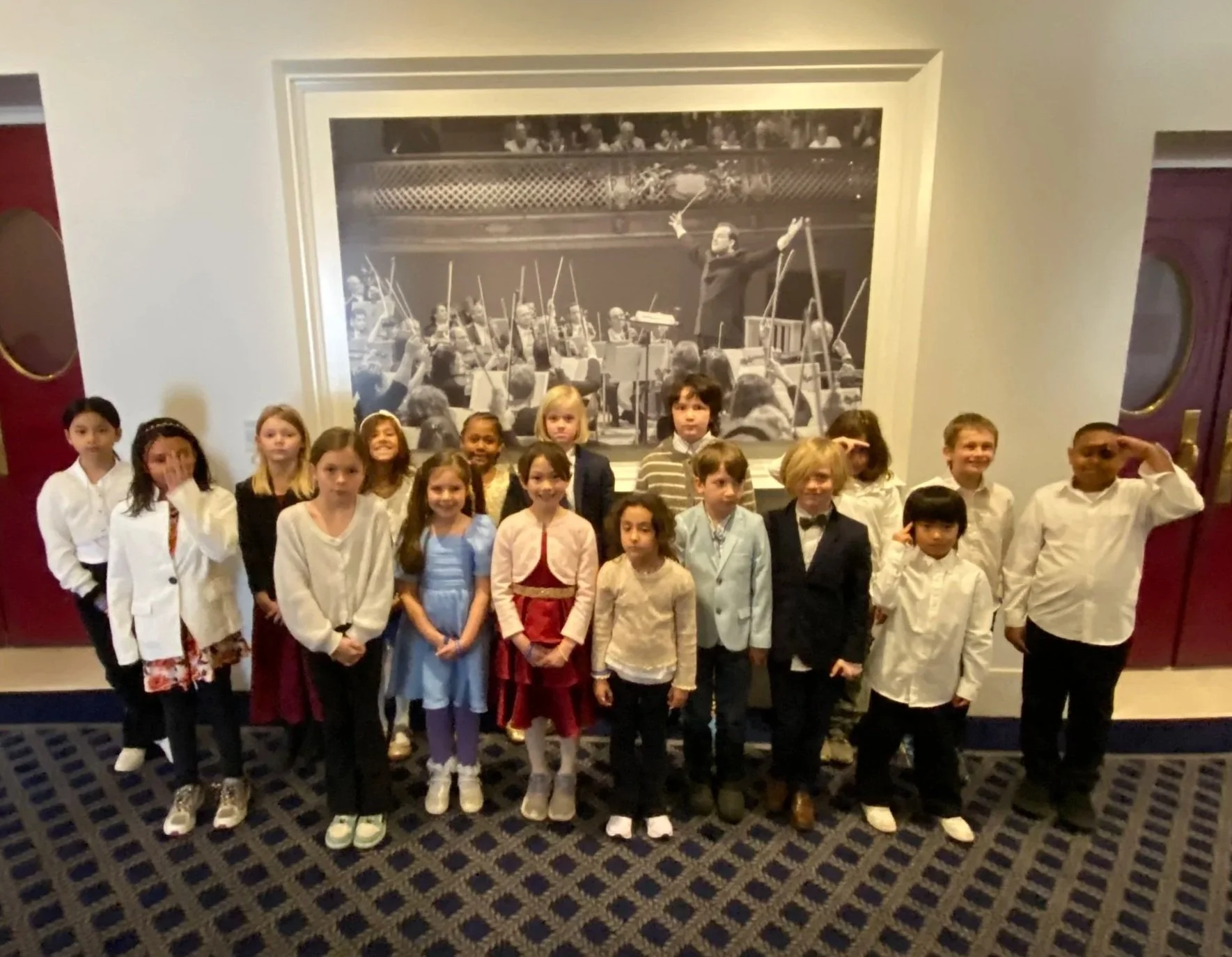
I also joined an elementary field trip to the State House. We wandered the “corridors of power,” learning about roles in government and what leadership has looked like over four centuries, but most interesting to the students were the flags of each community in Massachusetts and the military flags in Memorial Hall. That space is roofed by stained glass images of the seals of the 13 original states. Ms Sherla assures me that an art and math project will grow from that.
I also spent time with toddlers at Myrtle Street Playground. Eight toddlers, three adults. Great ratio, right? What could go wrong? Any one who has managed more than one toddler at a time know that I was constantly counting heads, even as I was catching kids on the slide and helping a teary tot now and again. I love watching kids play and test themselves. One girl was doing pull-ups on a structure. Another was building the confidence to slide. A third child was learning how to trust his body as he leapt into space. A pair was learning how to take turns with a scooter. As Maria Montessori said and Mr. Rogers echoed, “Play is the work of the child.”
That is how the work of school goes. Eventually, students develop and master academic skills, too. Torit is especially good at helping kids in that process. Our students do demonstrably better because they benefit from a small school with heaps of individual attention. They learn how to learn, feeling out their strengths and challenges along the way. Middle and high school are easy, they report. That’s the magic of Torit Montessori.
David Liebmann
Head of School